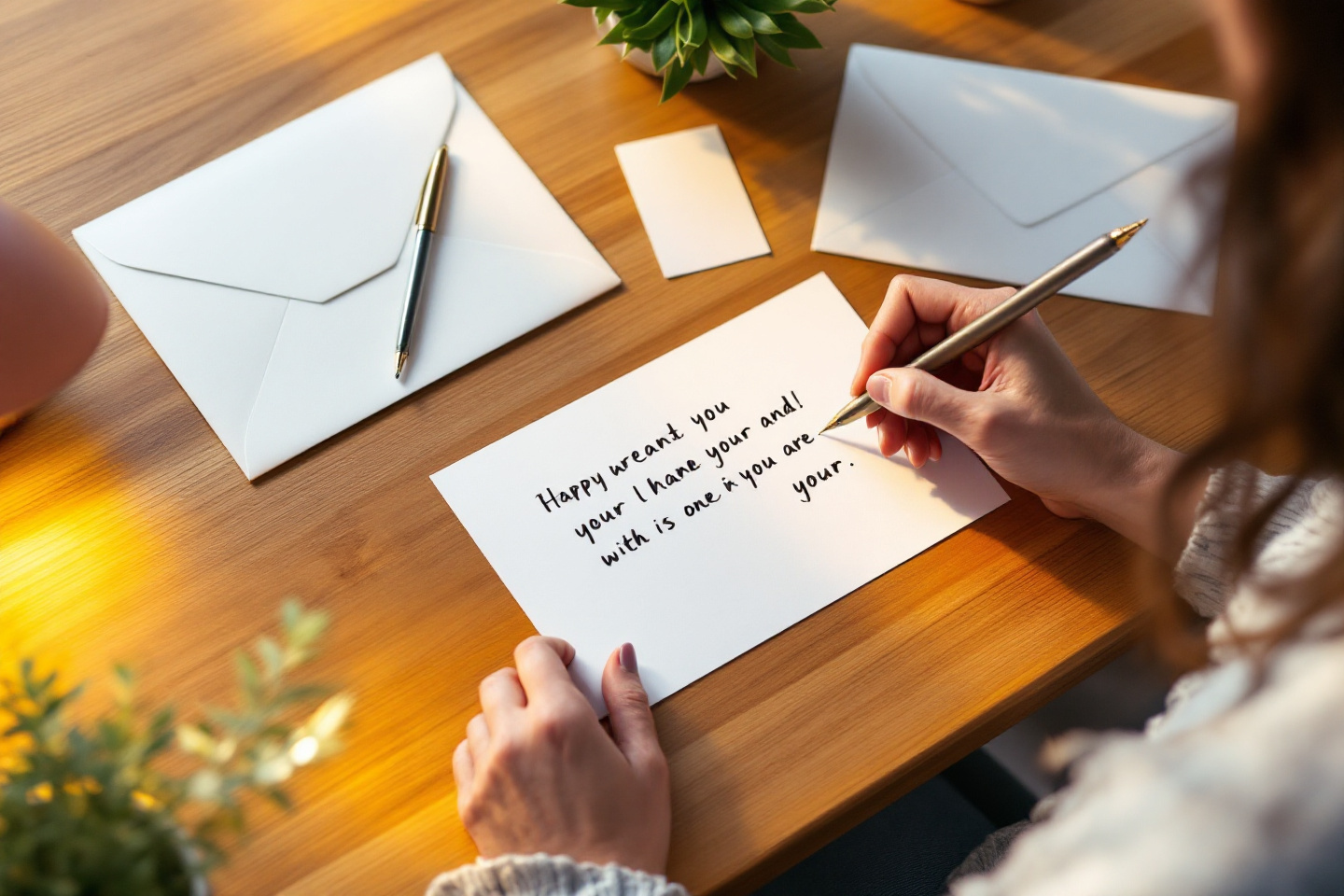
Finding the right words for a card can feel surprisingly tricky. Whether you're writing for a birthday, a wedding, a new baby, or a bereavement, the pressure to say something meaningful — without it sounding clichéd — can leave you staring at a blank page for longer than you'd like. The good news is that great card messages don't require you to be a poet. They just require a little thought, a little honesty, and a few simple techniques to help you get started.
Why the Words You Choose Really Matter
Cards are often kept for years. People tuck them into drawers, pin them to noticeboard, and pull them out on difficult days. According to a survey reported by the BBC, handwritten notes and personal messages are among the most emotionally valued forms of communication we receive — far outranking texts or emails. That's a lot of weight for a small rectangle of card to carry, but it's also a reminder of just how much a genuinely heartfelt message can mean to someone.
The pressure to be witty or profound can actually get in the way. The most treasured messages are rarely the cleverest ones. They're the ones that feel real.
Start With a Specific Memory or Detail
One of the easiest ways to make a card message feel personal is to reference something specific about the person or your relationship with them. Avoid generic openers like "wishing you all the best" and instead try something like "I still laugh about the time we got lost in Edinburgh" or "watching you become a parent has been one of the highlights of my year."
Specificity is what separates a meaningful message from a forgettable one. It tells the recipient that you've actually thought about them, not just grabbed the nearest pen and scribbled something down at the last minute.
Match Your Tone to the Occasion
It sounds obvious, but getting the tone right is crucial. A retirement card for a beloved colleague calls for warmth and perhaps a touch of humour. A sympathy card needs gentleness and restraint. A child's birthday card can be as silly and enthusiastic as you like.
Here are a few quick tone guides to help you pitch it right:
- Birthday — celebratory, warm, optionally humorous depending on your relationship
- Wedding or anniversary — romantic, hopeful, heartfelt
- New baby — joyful, tender, reassuring for new parents
- Sympathy — gentle, simple, focused on the person who has passed rather than platitudes
- Retirement — grateful, celebratory, reflective
- Get well soon — uplifting but not dismissive of how they're feeling
When in doubt, err on the side of sincerity. A simple, honest message will always land better than a forced joke or an overly formal sentiment that doesn't sound like you.
What to Write When You're Stuck for Words
If you genuinely don't know where to begin, try this simple three-part structure. First, acknowledge the occasion. Second, say something personal about the recipient or your relationship. Third, close with a warm wish or expression of love or support.
For example: "Happy 60th birthday, Auntie Jean. Sixty years of kindness, laughter, and the best roast dinners in Yorkshire — here's to many more celebrations with you at the centre of them. With all my love."
That's it. No grand gestures required. You can also pair your card with something that goes even further — a personalised song from Your Special Song, for instance, turns the feelings you struggle to put into words into something the recipient can listen to again and again.
Common Mistakes to Avoid
Even well-meaning card writers can fall into a few common traps. Watch out for these:
- Starting with "I" — it's a small thing, but it can make the message feel less about them and more about you
- Over-relying on printed verse — if the card already has a poem, add your own words rather than simply signing your name
- Being vague — phrases like "have a great day" or "best wishes" say very little
- Apologising for your writing — just write, and let the feeling do the work
Make It Something They'll Never Forget
Sometimes a card, no matter how beautifully written, isn't quite enough to capture everything you feel. That's where a truly unique gift can make all the difference. At Your Special Song, professional songwriters craft original, personalised songs based on your story — the details you share, the memories you love, the things you'd say if you could find the words. It's the perfect companion to any card, and a gift that lasts far longer than flowers or chocolates. Visit yourspecialsong.co.uk to find out how it works and create something genuinely unforgettable.